How much does an architectural render cost and what factors influence the price
The cost of an architectural render varies depending on the complexity of the project, the level of detail and the required image quality. More than an expense, an architectural render is an investment that directly impacts the perception, communication and commercialization of a real estate development.

What to Consider When Hiring an Architectural Visualization Studio
How to choose an architectural render studio?

How long does it take to produce architectural renders for a project
The production time of an architectural render depends on the scope of the project, the number of images and the definition of the available information. In most cases, the complete process can take from one to several weeks, depending on complexity and level of development.

How an Architectural Render is Created Step by Step
An architectural render is created from technical information and visual decisions that allow a project to be represented before it is built. The process combines interpretation, development, and visual criteria to design a clear, coherent image aligned with the project’s objectives.

Types of Architectural Renders Used to Present Projects
There are different types of architectural renders used to communicate a project depending on its stage, objective, and presentation strategy. Each type of render highlights specific aspects of the project, from its overall context to the details of interior spaces.
How many renders are usually used to present a real estate development
The number of architectural renders a real estate project needs depends on its scale, complexity and communication strategy. In general, between 5 and 10 renders are used to present a development in a clear, attractive and commercially effective way. In larger projects, between 15 and 20 or more may be required.
What information does a studio need to create architectural renders
To create an architectural render, technical and visual information about the project is required, such as plans, a 3D model, references and design guidelines. The clearer and more detailed this information is, the more precise, coherent and effective the final result will be.
When is it convenient to create renders for a real estate project
Architectural renders are created at different stages of a project, but it is advisable to produce them from early phases to facilitate communication, validation and commercialization. Incorporating them from the beginning allows better decision-making, clearer presentation and progress in pre-sales before construction.
What are renders used for in real estate and architectural developments
Architectural renders are used to visualize, communicate and commercialize projects before their construction, allowing their design, atmosphere and value to be shown in a clear and attractive way. They are a key tool to reduce uncertainty, facilitate decision-making and generate interest from both investors and buyers from early stages.
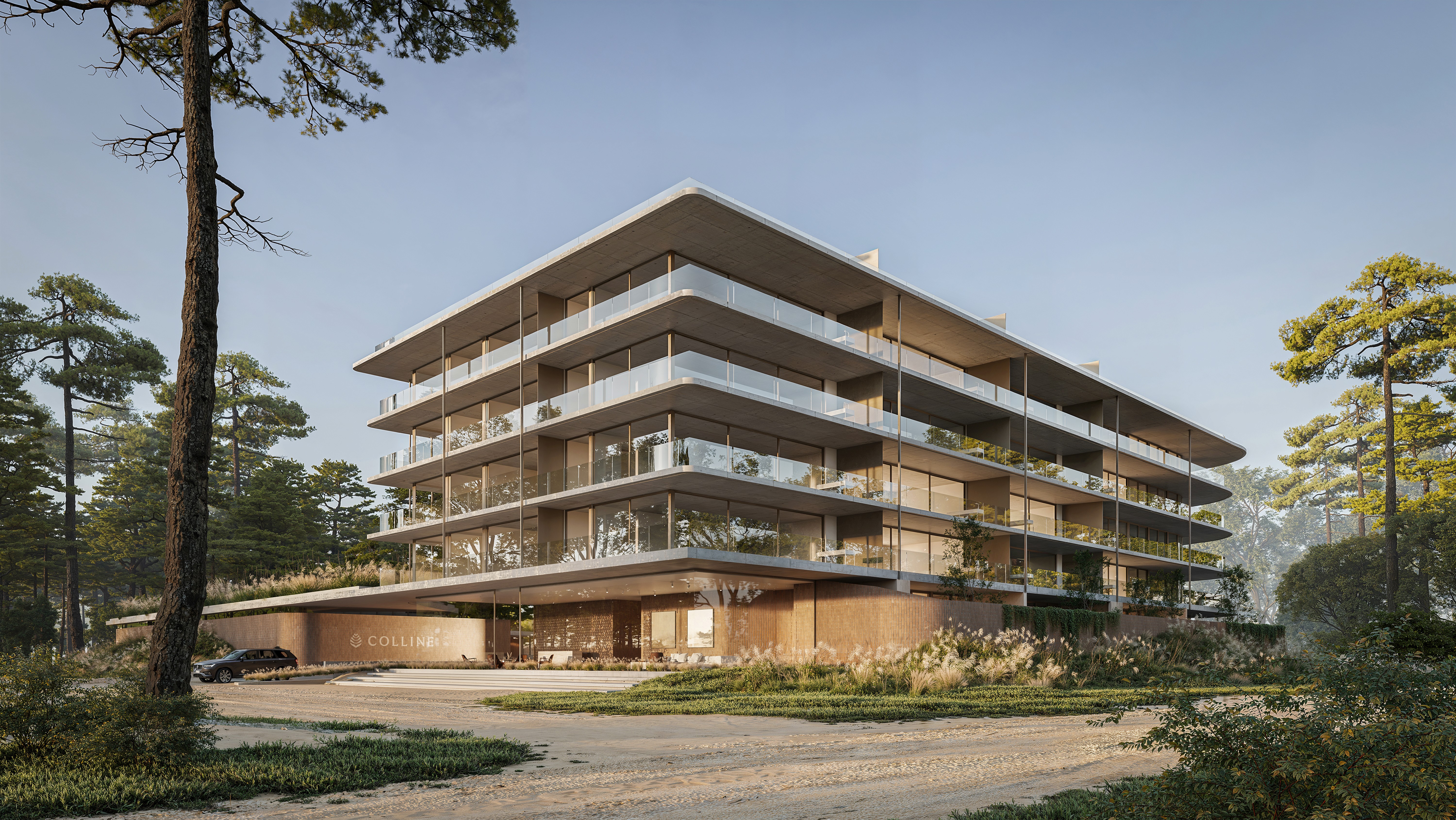
What is an architectural render and what is it used for in real estate projects
An architectural render is a digital image that represents a project before it is built. It is used to visualize, communicate and commercialize real estate developments in a clear and attractive way. It allows a project to be understood before it exists, facilitating its presentation to investors, buyers and work teams.